The sin eaters and our shadow side

The women from the Bangkok textile factories often had to supplement their income with prostitution. They sent their money back to their families in the village but they also donated their earnings to the temples.

The temple priests accepted their money, but labelled them whores nonetheless.

Interview with a former community development worker

Humans are curious creatures aren’t we? We condemn those we deem undesirable: the sex workers, the drug addicts, the impoverished, refugees and former prisoners (the list is endless, really). But who would we be if we had no one to condemn? Perhaps we would be forced to examine our own shadows.

I am fascinated by our collective condemnation of all that we deem undesirable. On a personal level, judgement is symptomatic of lazy thinking. Indeed, Carl Jung is reported to have said, “Thinking is difficult, that is why most people judge.” Yet on a societal level, the making of a pariah is symptomatic of collective denial. Philosopher and psychoanalyst, Jung argued that all humans possess a shadow, an unconscious repository of all the qualities we believe are undesirable. Lust, avarice, sexual perversity, vengeance, fear…anything really. But when we deny the shadow individually or collectively, we project it on to others. When we project our shadow onto other people, we condemn them for possessing the qualities that we cannot accept in ourselves.

Some societies cut out the middleman, and just assign permanent roles to the people who carry society’s shadow. Let me introduce you to the occupation of ‘sin eater.’

A ‘sin eater’ was a role assigned to an individual in Welsh villages circa the 19th century. A sin eater was often an impoverished outsider who lived on the outskirts of the village. When a villager died, the sin eater would be called to the deceased’s home. Laid out on their deathbed, a piece of stale bread would be placed on the deceased’s throat. The bread was purported to absorb the deceased person’s sins. For a pitiful sum, the ‘sin eater’ would then come forward to consume the bread soaked in sin. Thus unencumbered, the deceased could freely enter heaven.

Now, one would assume that the ‘sin eater’ would possess an elevated status. What greater role is there in a Christian community but to absolve a person of their sins? Alas, the opposite was and is true. The people who carry the sins of others are generally society’s pariahs.

Who are these people in 2021? They are the refugees who flee wars mongered by rich nations, the drug addicts who anaesthetize themselves to manage the weight of intergenerational abuse and trauma and, to get topical… the essential workers from the less affluent parts of Sydney who carry the greatest risk of contracting Covid-19 but cannot access a vaccine due to their age and income status.

They are the people who buckle under the weight of society’s foibles, the people who allow us to sleep at night with a clean conscience, because having condemned someone else, we need not condemn ourselves.

Why condemn ourselves or anyone for that matter, in the first place? Well, this is a subject for another blog post, but in my opinion, condemnation, like toxic shame, is self-defeating and destructive. Nobody flourishes when shamed, judged and relegated to the scrap heap of society. If we replaced condemnation with understanding, humanity might just begin to evolve.

For excerpts from my current draft of my novel, The Sin Eaters, please check out the following link:
On writing and nature

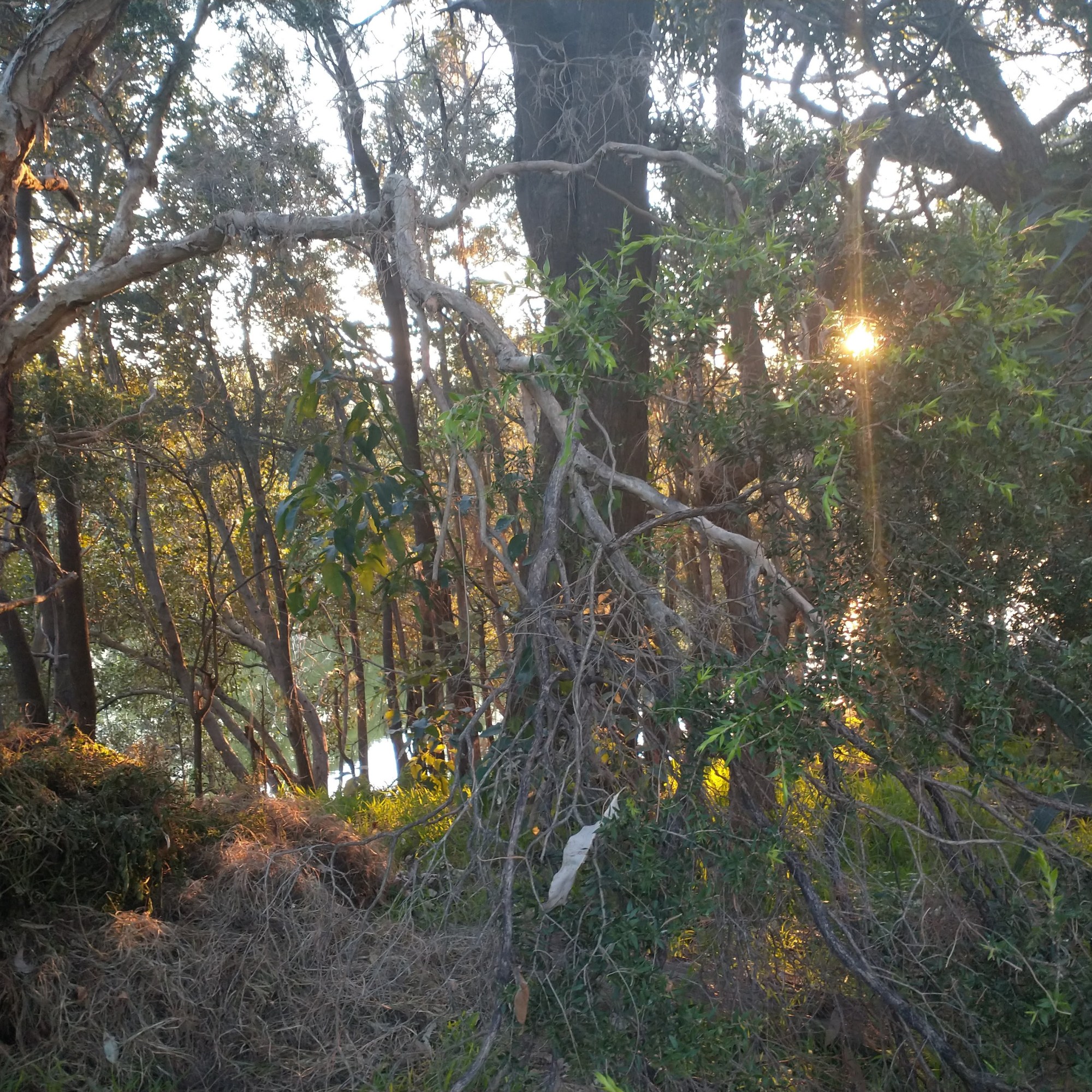
Let me tell you something about trees. They speak to each other. Just think what they must say? What could a tree say to another tree? I bet they could talk forever. The things they must see, that must happen around them, the things they must hear. They speak to each other through tunnels that extend from their roots, opened in the earth by fungus, sending their messages cell by cell, with a patience that could only be possessed by a living thing that cannot move. It would be like me telling you a story by saying one word each day.

from a low and quiet sea by Donal Ryan (2018)

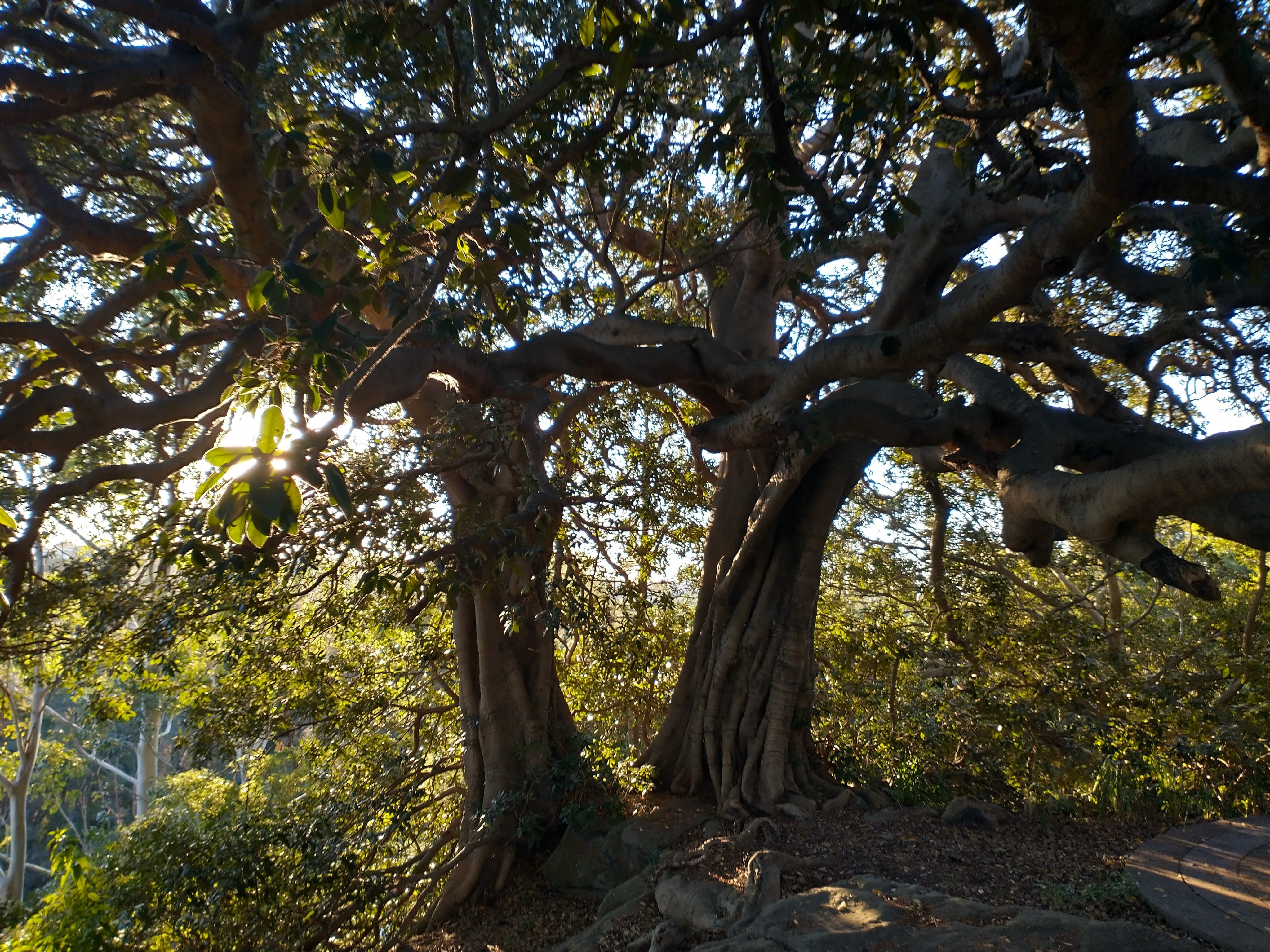
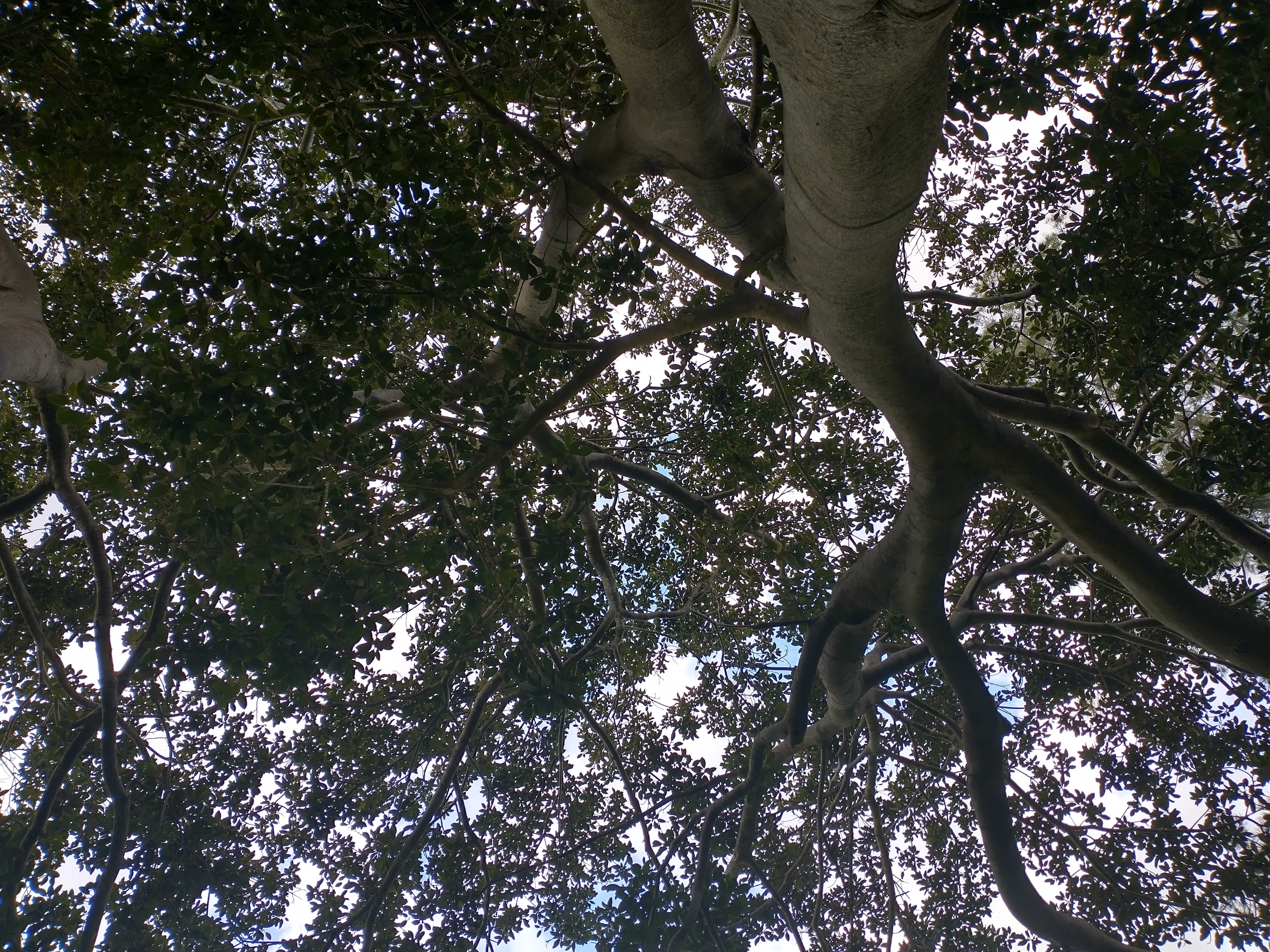
My photosynthetic friend, the Moreton Bay Fig

Humans are absurd. Frequently, I need a break from my own kind, lest I descend into an unacceptable level of absurdity. You know the kind. Underwear on head, sock puppets at work, or the kind of inflated self importance that leads to podcasting without a journalism background.

A few times a week I run to the river where I talk to my photosynthetic friend, the Moreton Bay Fig (pictured above). She allows me to sit between her buttress roots, which radiate out towards Cooks River, and in the other direction towards the reserve where she shares her resources with conifers, other fig trees and paperbarks. Neither of us waste time making sound. Instead we enjoy a shared silence that only veteran friendships understand.

It is only through The Silence that the words emerge, where characters coalesce and narrative becomes form. Like others afflicted with biophilia, I draw this silence from nature. Writing is not for the impatient, which is difficult when you live in a world where worth is assigned to productivity. It can take years to write a good book, which is why it irks me when I hear people criticise George R.R. Martin for his delay in writing the last novel in The Game of Thrones series.

To be patient with the process means to have faith in the future. It means that you must have faith in yourself, which is often a herculean feat (and a topic for another blog post). It means that people may shun you as you experiment with plot, as you follow characters who meander past you and travel to the underworld. It means that non writers don’t understand that it can take years to produce something solid, that it takes time for a story to grow and its roots to be sturdy. And it means a level of private despair, because you know that it is a process that cannot be rushed in a world where productivity is worshipped.

But my photosynthetic friend reminds of the rhythms of nature. She also reminds me that not only are humans absurd, we are the only species that willfully persists in destroying itself. Over production of the cells in the body is known as cancer. Over production in aid of over-consumption is clogging our oceans with plastic and overseas landfills that leach toxins from electronic waste into the ground water.

To worship at the altar of productivity for its own sake is not just destructive to our own species. We are at the brink of bringing entire eco-systems down with us.

So join me in raising a glass of chlorophyll (I know essentially it’s plant blood so the metaphor is a tad macabre). But raise your glasses nonetheless, dear writers. Here’s to the rhythms of nature and to the process of silence. Here’s to balance, contemplation and a different way of living.

If you feel the nature vibes check out the following links:

Words with teeth

I like to write about the unwrite-able. In my opinion, if you are not writing about all that makes us uncomfortable, then you’re wasting your time. Get yourself an SLR camera and write a lifestyle blog. I like to use words with teeth.

In a past life I was a high school teacher, where I had the privilege of working with refugee students from West Africa. This was a few years after the civil war that ravaged Sierra Leonne. Watch Blood Diamonds if you are unaware of this war. A lot of the teenage girls I worked with witnessed and experienced events that to my cloistered Western mind are just unfathomable.

One student saw her father killed in front of her. I remember one student saying that there were just so many dead bodies on the street and in the river that it was just ‘normal’ to see corpses. Many of my students were 15 and 16 and had no schooling prior to arriving in Australia. One student could not read, and it was difficult to ascertain whether her reading difficulties were a result of a learning disability or trauma. I erred towards the latter-the girl spoke Creole, French and English for god’s sake.

How does the human mind process such destruction? At heart, I am a humanist and do believe in the resilience of the human spirit. My current novel-the one I have been working on for years and years-is an attempt to process the level of trauma and cruelty that humans inflict upon one another. We need to use words that have teeth, sharp incisors that tear through our modern day passivity.

The following is an excerpt from my current novel, The Sin Eaters.

Today they will not be running. Though the machete men and the devil men dressed in blood stained wedding gowns be coming every day to the market, they will not run. This is what they will not do. They will not kick over their buckets of okra and cassava, in a scramble to escape. There will be no stampede or fear that makes them stupid. They will not run like they have something to lose.

Amina crouches with Mariama, heart beating fierce through their eyeballs. Eyes saying don’t move be like the dead. No. Be like the rusted lean-to over there, be like you never lived. Some machete men don’t care if a woman is dead-dead or just pretending to be.  Mariama say nothing. At first when they flee, Mariama be saying, ’Don’t look at the ditch there, don’t look to your left. No silly girl that is your right, don’t you know nothing?’ But there is too much to not see, and Mariama is too tired now. To stop looking maybe all you can do is scoop the eyeflesh from your skull.

So now they squat behind the Boab tree, like they objects not alive not dead. They watch.

The market women decide. They move like one. And maybe it starts with one woman, or two, or maybe it a decision they make as one mind. Today we will not perform for you machetedevilmen machetedevilboys noses filled with powder that unleash your lust. This is not our dance. We have not chosen this. And they move but they not be running. A headwrap is removed, a skirt falls from thick thighs that have born and wrestled and fought. A shirt falls bearing angry aureole glaring from breasts that every day fight the fall to the earth.

The women are naked. Mariama and she, they forget to breathe.

They wait for the marketwomen to be raped. Amina cannot close her eyes, she stopped being able to close her eyes a long time ago. It will not be the first time she has seen women raped. It will not be the first time she has seen mothers raped. Rape has become normal in its awfulness.

Afraid men make noise, and they hear them before them see them. And the machetemen devilmendevilboys come, they come with powder in their nostrils, their faces painted, armour to forget they once came from mothers and…

the marketwomen be waiting, not running. Okra and bushmeat and casava all neat still. This is who you be, they say with their flesh. You be someone who forgets mother, forgets father. Who you be beneath paint and powder. Let we see, take off your paint and put down your weapons. You be boyman only. Run now. Today YOU be running.

from The Sin Eaters (unpublished draft), Myfanwy Williams

Because sometimes a person just has to dance.

This is an excerpt from the novel that I am currently writing:

A person had to dance. Sometimes they just had to. And the more broken, the more torn they were, the need was even stronger. And a person could dance in more ways than one. They found rhythm in all that was inadequate and defective. If they couldn’t move their body, they could move sections of their body. Forefingers and thumbs could roll Champion Ruby tobacco or Northern Light bud into a spliff; fingertips could flick a Bic lighter to melt a teaspoon of brown. Oh and nostrils, they could snort powder, or the harsher crystals. Yes, these were inadequate ways of moving, but they were moving, nonetheless. A person needed to move because when they moved, they remembered they were flesh and sinew and viscera. A person needed to dance to remind themselves that some part, some minutia of their being was free.

-Sometimes a person has to dance, Moses stated quietly, winking at Amina. He slipped in an old cassette mix. Nina Simone’s Sinnerman, remixed. And he began to move, clumsily, shoulders hunched, his body jerking in the falling sleet.

That’s not dancing, she said. We have real dancing, back home. African dancing. The men will dance all night to show us they are worthy.

-Well then, Miss Amina, that might just be what we’ll do, I reckon.

From The Sin Eaters, Myfanwy Williams

I once met a West African drummer who said that dance was the best remedy for depression. After earning a Masters in Psychology, I believe that this humble musician might just be right. Perhaps I have an obsession with buoyancy, with being able to defy the physical laws of this orbiting rock enslaved to gravity. Dancing and running (which is essentially unimaginative dancing) are the closest to flying that I can imagine.

Why this wing-envy? I don’t know. It’s hard being human. We are odd creatures, humans. Big brained mammals with machinery in the skull that we are unable to properly master. The same brains that we use to compose music, write code and sequence a genome are the same brains that can destroy us with rumination, resentment and fear.

What is the solution? My solution is to power down this machinery and dance. I have tried Latin, Bollywood, Hip Hop and African. A shout out to Kukuwa Fitness- an awesome mother daughter duo who run African dance fitness classes online (361) KUKUWA® AFRICAN DANCE LIVE – MOOD BOOST 15 MINS – YouTube. Thank you amazing women for helping me fly a little each day. Quite possibly, I look absolutely ridiculous. But really, the ice caps are melting and pestilence is quite the celebrity these days. Looking ridiculous is the least of my worries.

Recently I came across a viral video from China. A rural couple turned to dancing after the husband fell into depression. I invite you to watch the video because what the world needs right now is a little more joy. (361) Chinese village couple’s ‘rural-style shuffle dance’ goes viral online – YouTube

On fiddle writing

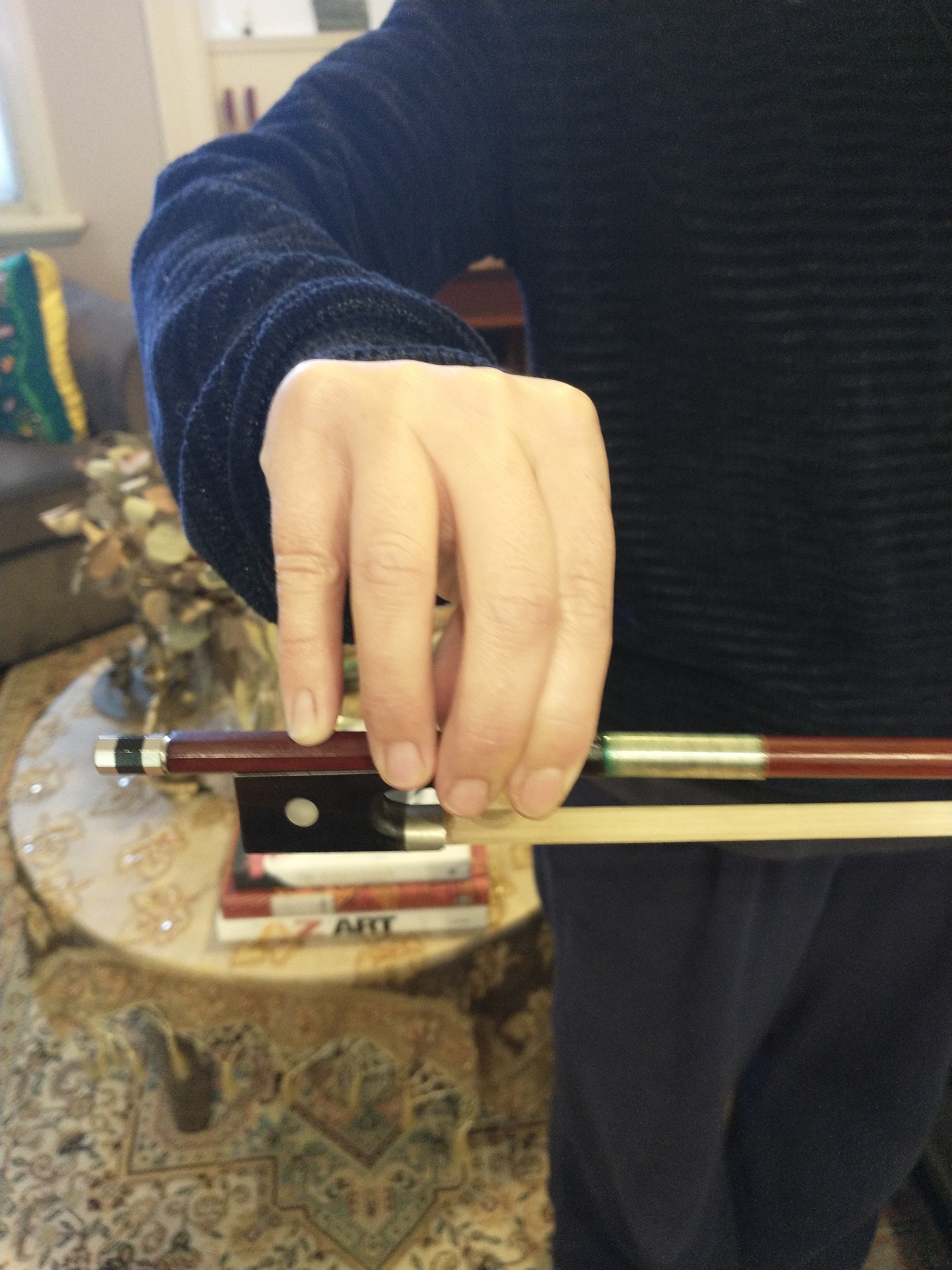
Learning to hold the violin bow

I began writing feverishly at the age of 15 because I couldn’t play an instrument. When I first heard Celtic fiddle music it was as though I heard what it was like to fly-sans jet fuel, and winged metal box soaring at 10 000 feet. I wanted to arrange words that flew, that made me feel as though a simple sentence could defy gravity. Emily Dickinson once stated that the gold standard question she asked about her own writing was “Do these words live?” I suppose that the question that I ask myself is “Do these words fly?” And if they don’t fly do they at least float, or dance a little in a way that could be flying. In a certain slant of light.

Fast forward 20 plus years and I am learning the classical violin. There is nothing like learning an obnoxious instrument during lockdown. The violin isn’t inherently obnoxious, but it is when you don’t stay in the third lane and your bow sounds like nails upon a chalkboard. But hey, my next door neighbour possibly runs a male knock in shop, and I have a tendency to be passive aggressive.

I’m learning the classical techniques because I believe in doing things properly. But I follow a guy called PeakFiddler on You Tube, a self taught Fiddler. The difference between the fiddle and the violin is that the rules go out the window with the fiddle. You can forgo proper posture, bow hold…hell you don’t even need the shoulder rest. As long as you hit the notes, keep the time signature and make sure your violin is in tune, you’re sweet.

I like to think that I’m a fiddle writer. Grammar and syntax in order, I like to play with words so the words become dance and the narrative becomes performance. Really, life is just that, a three to five act play of tragic-comedy. We may as well have a laugh and pretend that we can fly.

About Word Upon Word

Margaret Atwood once said “Word after a word after a word is power.”

Perhaps I do err on the side of megalomania. My tortoiseshell cat certainly does. What is endearing in a soft furry sociopath is hardly endearing in a human, however. A quietly spoken five-foot two Eurasian woman is not the stuff of tin-pot dictators. I know, I know. You might be thinking, power need not be destructive. But it is rather covid-y in my neck of the woods and a tad cold, so any freedom fighting must be done quietly, lest I break lockdown orders.

So, I write instead. This is a site that showcases my writing because…well…because marketing, really. Oh, and I write about matters that are never to be uttered in polite company. Trauma, politics, the absurdity of humanity…and cats. The internet loves cats. I love cats.

On this site you will find links to a novel that a publisher once told me was well written, but unmarketable, a collection of short stories and my rolling blog.

You’ll also find the odd poem. I will keep poetry to a minimum. Unpublished, unsolicited poetry is usually a cry for help and I like to keep my psychoses private.