Steal time. A letter to my fellow creatives

To my fellow artists, writers, and creatives, I implore you:

that this is what we must do, so as not to die while our hearts are still pulsing and our breath still escapes our mouths in laboured gasps disguised as whispers,

this is what we must do:

steal time.

Yes, this is a particular type of thievery, but in this world, what other choice do we have?

Steal time from whomever demands your lifeforce at minimum wage, from whomever leaves you feeling more machine than organism, from whomever leaves you trudging rather than dancing.

Steal time because the moment we are born into adulthood, time is stolen from us,

and you can always earn money, shag someone on Tinder, binge-watch that Netflix series. There will always be more groceries to bag, or data to input or reports to write.

Time is the most precious natural commodity there is and if they could, they’d float in on the stock exchange like water, or power or other things that should never be

monetised.

I implore you, this is not merely a moral imperative, it is an act of resistance, to

steal time from your employer, who won’t give you sick pay, won’t give you time off with a dying loved one, who won’t pay you what you’re worth

because it offends their sensibilities, their new religion, their worship of the bottom line.

And this is how you steal time, call it what you like, quiet quitting or just retrieving your humanity from a machine that assigns you a number that’s not a unique datapoint:

write stories in your lunchbreak, compose symphonies in endless meetings, imagine landscapes during the back-to-back shifts you’ve been asked to work,

write on the backs of report templates, on the backs of invoices, on the front of student exam papers, reclaim what it is that makes you human,

resist because the world needs your light,

 more than it needs company men and women, marketing gurus and hedge-fund managers, more than it needs people who only see living beings

as resources to exploit.

Totalitarianism and the murder of creativity

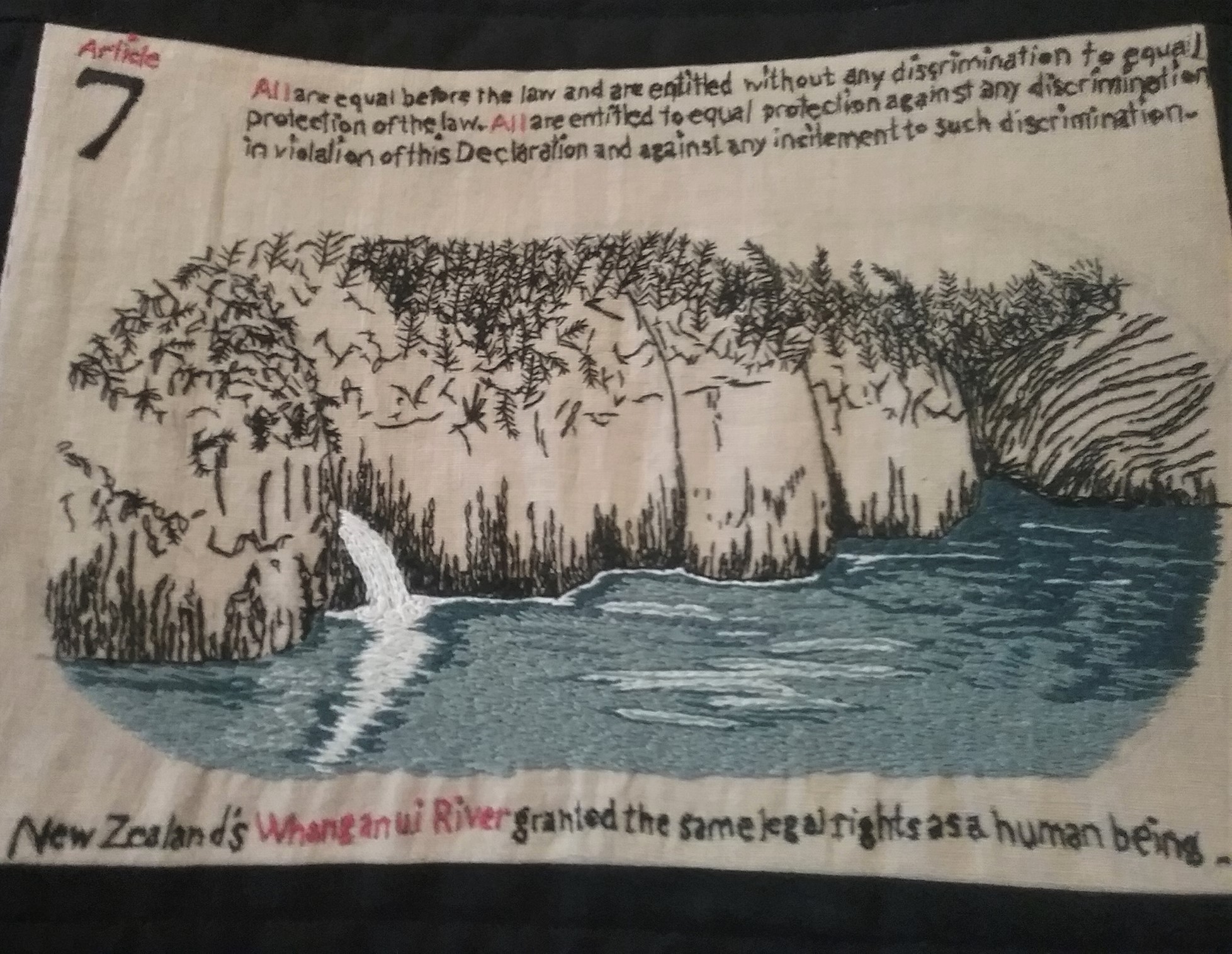
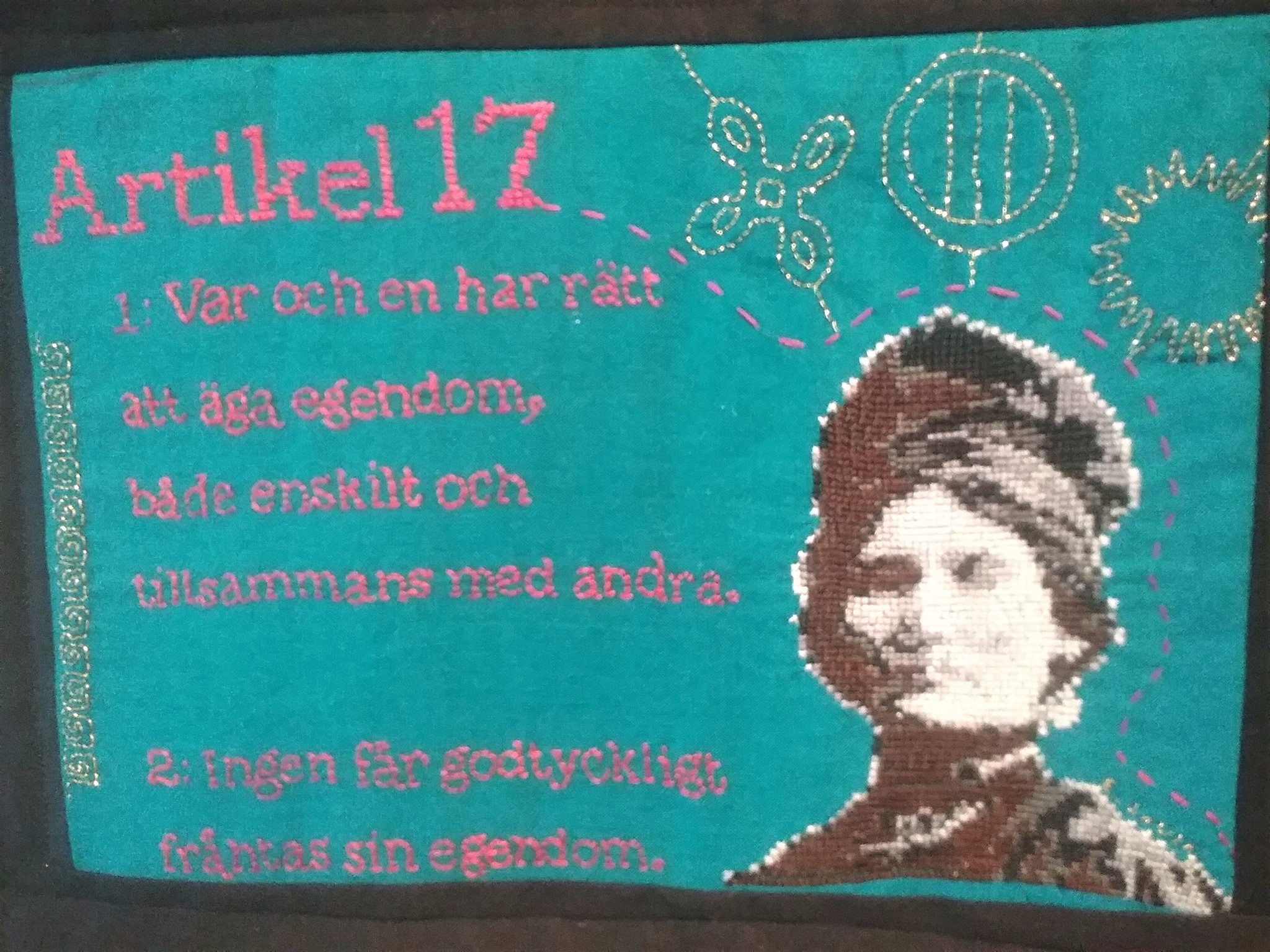
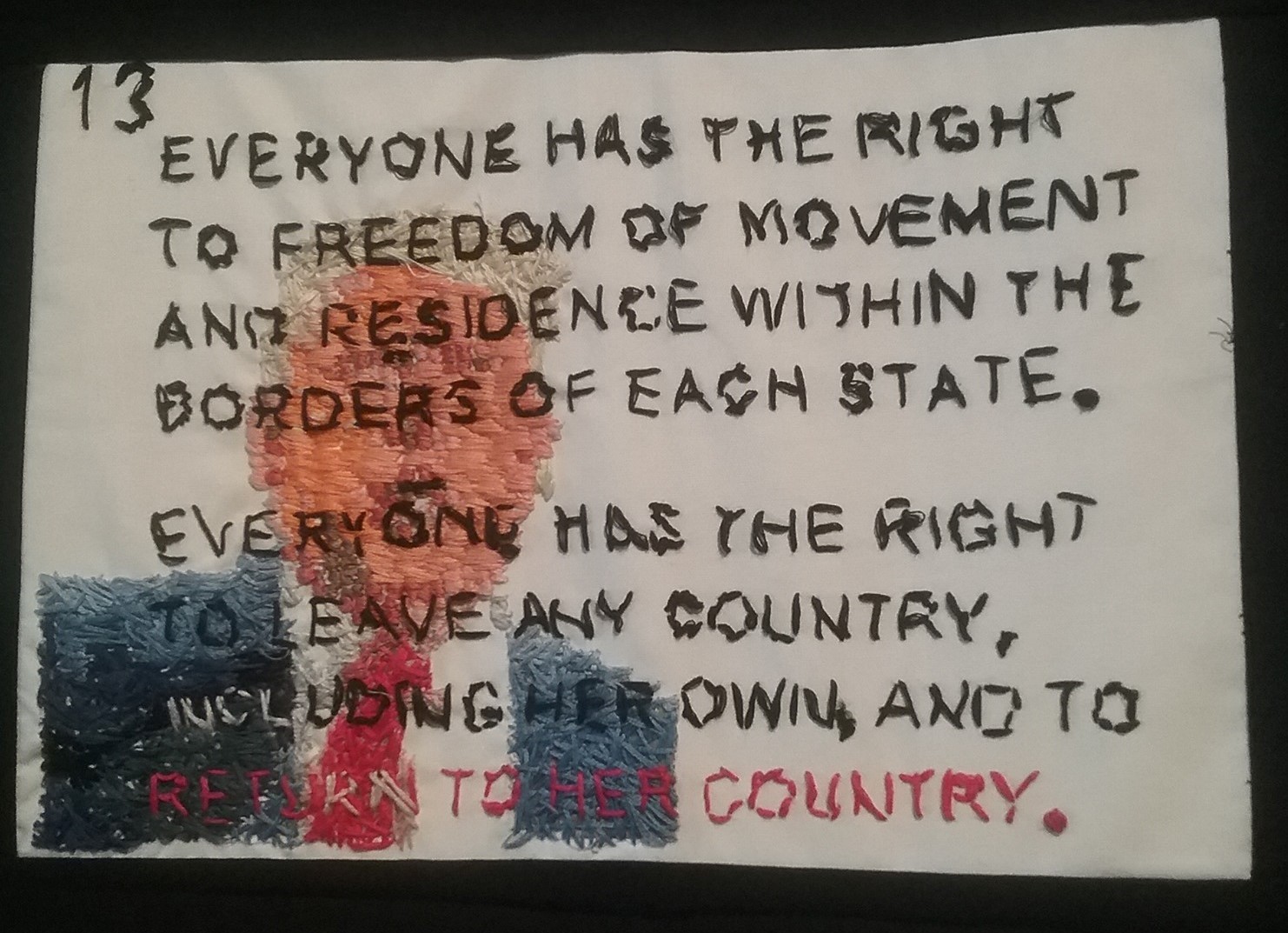
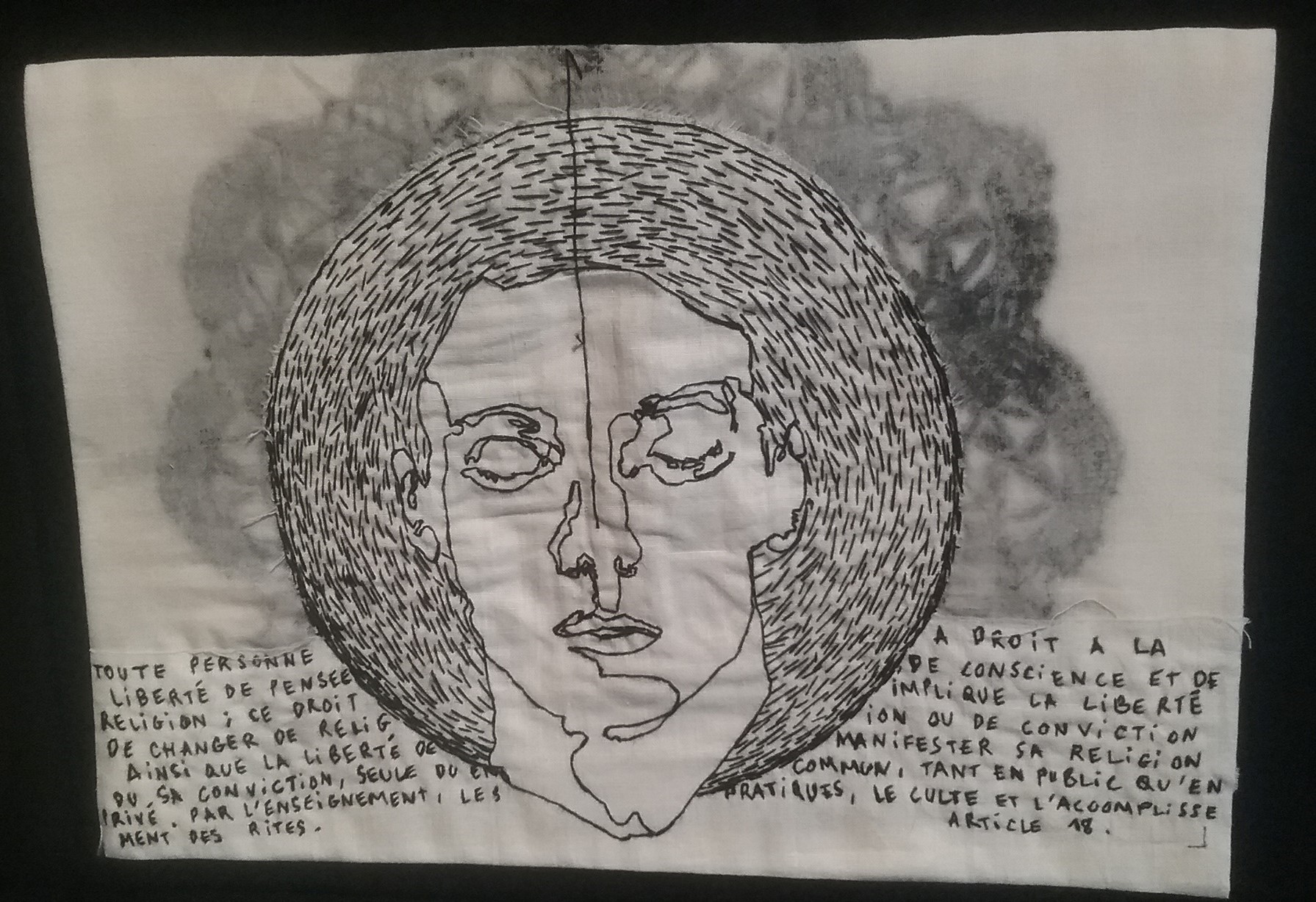
Textile Exhibition of the UN Declaration of Human Rights, Old Parliament House Canberra, December 2019.

I do not pretend to understand the complexity of geo-political relations in Afghanistan. What I do know is that Afghanistan has been at the centre of a geo-political chess board for decades, stemming back to the cold war. I know that my government is not doing enough, with its draconian stance on refugees and its willingness to leave people who helped the Australian Defence Force to their fates.

And what I know comes from a space of heart rather than logic. I have taught Afghani refugees, most of whom were from the persecuted Hazara minority. I have heard stories of lives that I couldn’t even begin to imagine. And in the comfort of my safe Australian home, I have read news reports and books written by women who fear for their future.

From the perspective of someone who has found solace in creativity, reports of the the suppression of creative life under the Taliban are chilling. Under the Taliban between 1996 and 2001, all music, art and film that did not adhere to strict religious dictates were banned. We are not just talking about so called ‘imperialist art’, the likes of which were banned during China’s cultural revolution. This was not just garden variety censorship. Historical sculptures were destroyed. Folk music and singing that existed for centuries were banned.

The Taliban is not the first regime that has attempted to suppress creative expression. Dancing was and probably still is prohibited in some Puritanical Christian sects. In Australia, we banned Indigenous music, dance and ritual in our 19th century and early 20th century missions. Historical documents show that dance and music were banned on some slave plantations in America.

There is something sinister about the banning of folk art. Most folk music is benign and ostensibly not a threat to the political structure. The trope is predictable and almost universal. There are the love stories, the hero stories, the soldier stories, the working in the field stories. This form of creativity is what unites communities, providing comfort, stability and a sense of identity. Perhaps this is why totalitarian regimes seek to destroy all creative expression, from the overtly polemic to the benign lullaby one sings with a traditional instrument.

When a person is deprived of creative thought and expression, they may become malleable and hollow. The best way to oppress a people is to kill their spirit, so they become fearful automatons. One of the things that separates human mammals from non human mammals is creative expression. In the totalitarian playbook, the creatives are always the first to be executed, along with the political dissidents. In advanced totalitarianism, all creativity is quashed.

But it is not possible to oppress people forever. Humans find a way. In Pinochet’s Chile, all correspondence out of the country was intercepted, so the international community would not hear of the horrors occurring. But I have heard that women began embroidering their stories on cloth, and sending their needlepoint to their relatives overseas. In their arrogance, the regime believed that embroidery was simply something women did to pass the time, and did not stop to look at the embroidered pieces.

Closer to home, Kurdish journalist Behrouz Boochani wrote his biography ‘No Friends But The Mountains,’ on a smuggled mobile phone while indefinitely detained for seeking asylum by the Australian government.

Creative dissent cannot be completely quashed, and these examples provides a sliver of solace in the darkness.

Graffiti art from the Melbourne CBD, March 2020